
Books, courses, articles, and more.
Many churches struggle with effective discipleship because its biblical meaning has been reduced. This article diagnoses how truncated understandings prevent holistic, missional, and multiplying formation.

Underneath the reduction of God, story, and life to something manageable, a longing still hums—the soul-wound that no earthly object can close, pointing toward a three-dimensional reality waiting to be seen again.
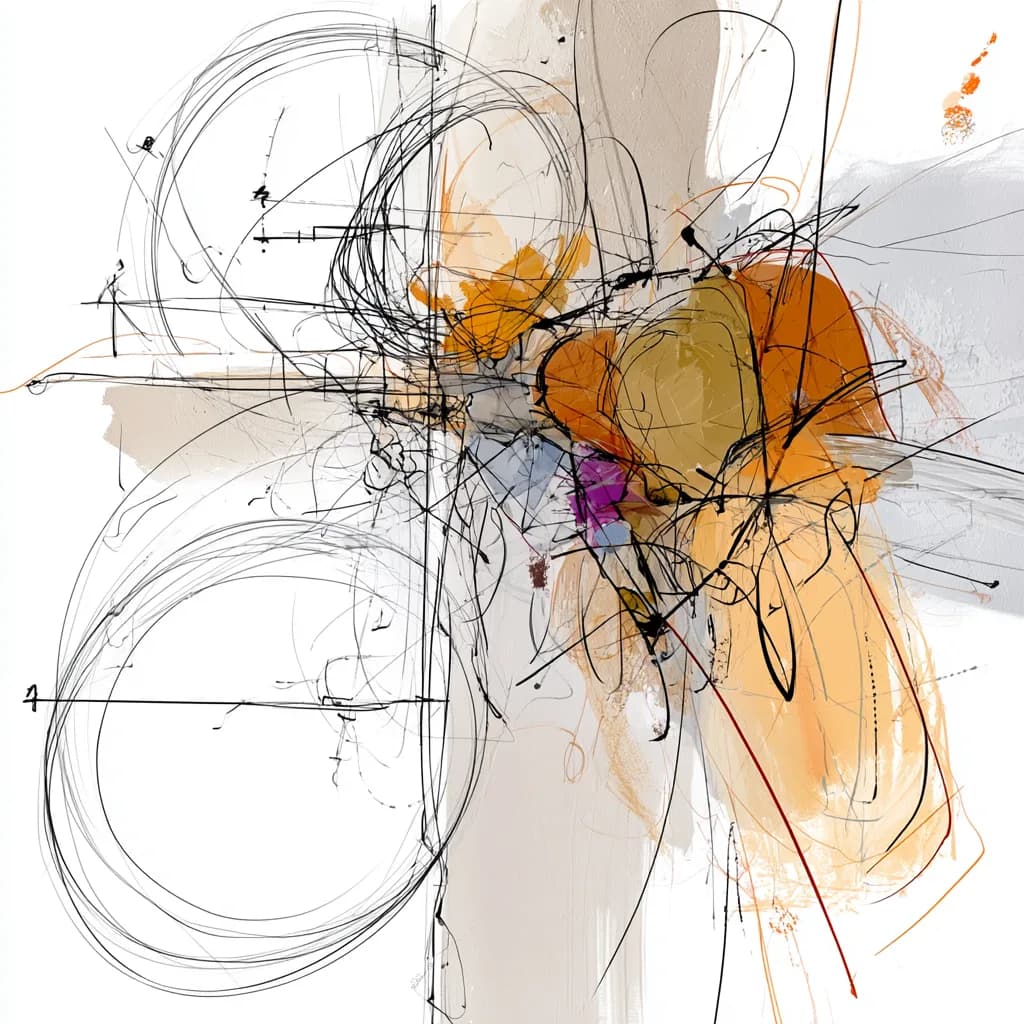
Here is a picture I keep coming back to: we are trying to navigate twenty-first-century New York with a map of sixteenth-century London, Rome, or Geneva, depending on your denominational bent. The map isn't wrong exactly. It was drawn with care, by serious people, for the territory they knew. But the territory has changed beyond recognition, and we are still consulting the old map, wondering why we keep getting lost.
A holographically designed movement works like a shattered holographic plate—each piece, no matter how small, carries the complete image and can reconstruct the whole at a smaller scale.
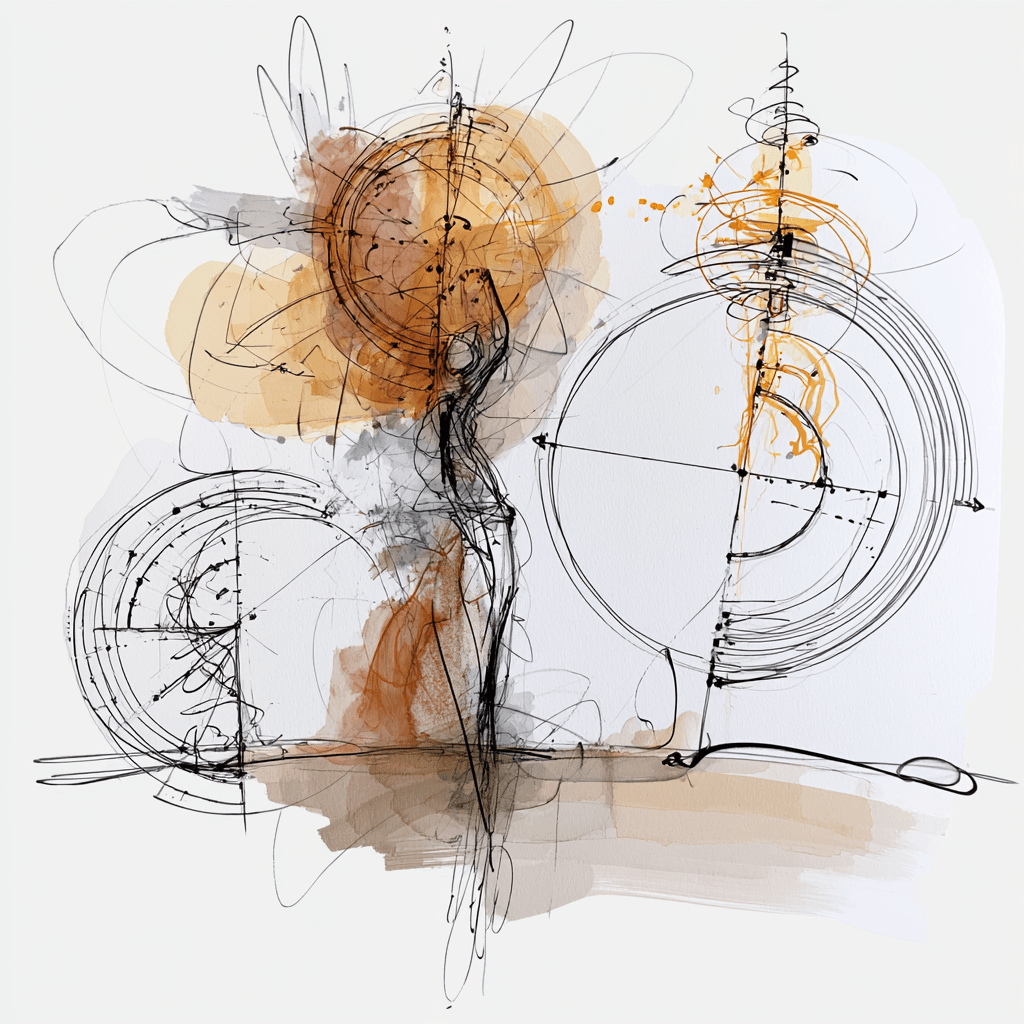
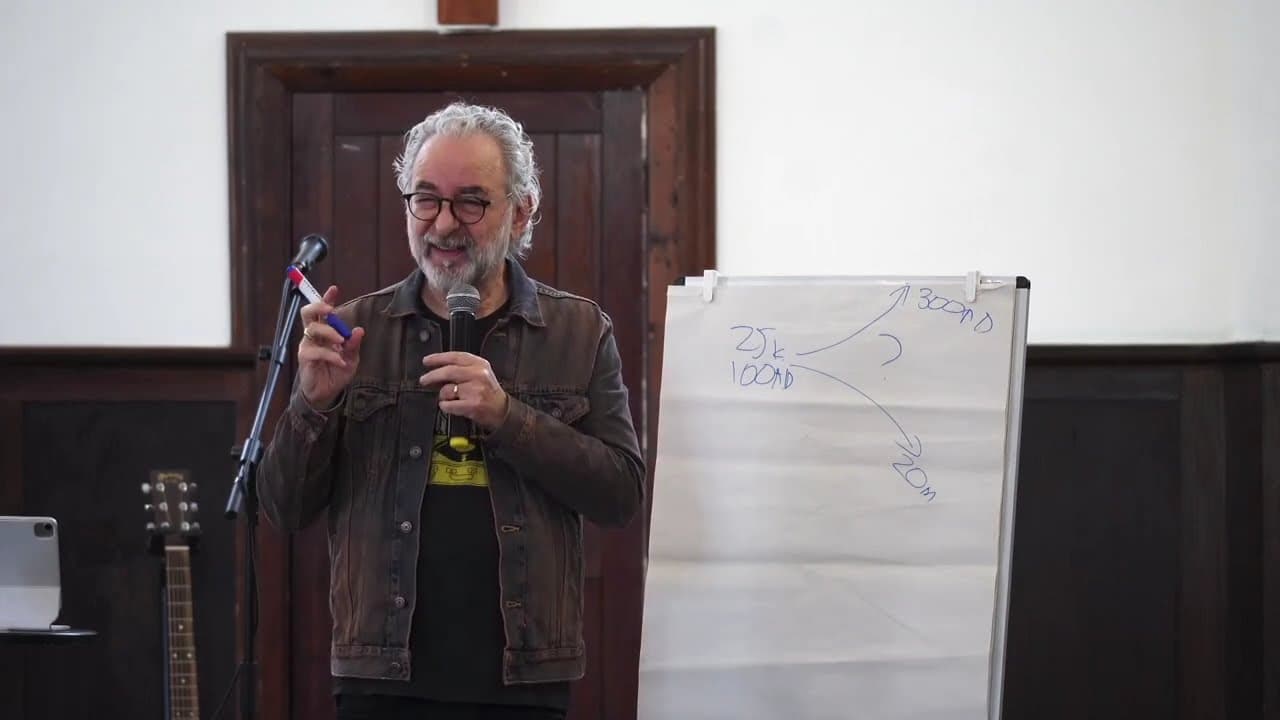
The early church grew from twenty-five thousand believers in AD 100 to twenty million by AD 310—without professional clergy, buildings, or seminaries—raising a question that has haunted missiologists ever since: how did they do this?
Jesus never intended to remain a solitary figure fixed in first-century Israel, but rather to multiply Himself into millions of ordinary lives scattered across every neighborhood, workplace, and generation.
Church leaders often struggle with effective change because they misunderstand metanoia, reducing it to mere moral repentance instead of a radical re-orientation of mind and life toward God's Kingdom.
Explore Reframation: the process of challenging and reconstructing frameworks for God's mission. Learn how to align your church with the Kingdom of Jesus.
Discover discipleship as a whole-life apprenticeship to Jesus. Learn how this foundational journey transforms believers into reproducing participants in His mission.
A movement reaches its most contagious moment when genuine spiritual energy runs through the whole body of it, anchored in a wholehearted cause that spreads faster through relationships and trust than any strategy could design.
The prophet senses where God is moving and where his people have fallen short, and the apostle mobilizes the structures and systems that carry that sensing into embodied, extending mission.
What if the category of "saint" is actually the most precise word we have for what Jesus meant by "disciple"? That question sounds strange at first — saints belong to stained glass and feast days, to

Why is it that so many church plants, launched with real courage and considerable resource, nonetheless fail to become movements?
It is the pull downward and outward — away from the safety of the sanctuary, out of the comfort of the Christendom center, and into the teeming, complicated, beautiful disorder of ordinary human life.
Churches often struggle with dynamic adaptation and innovation due to a lack of Movement Intelligence. This article diagnoses how static, institutional paradigms hinder organic growth and missional effectiveness in complex environments.

The church's struggle with missional impact often stems from a loss of its inherent missional DNA, making mission an external task rather than its natural identity. This article diagnoses the root cause.
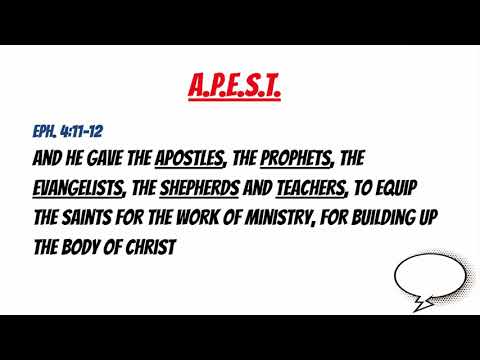
Here at 5Q Central, we find that people entering into the APEST world often ask the question: "Isn't Ephesians 4 just for leaders?
When a frame shrinks, we are living through a crisis of perception—one where the gospel continues to be preached with sincerity while the spiritual attunement that once made those words come alive quietly diminishes.

Western Christianity has constructed an entire operating system—complete with load-bearing walls, wiring, and plumbing—engineered across centuries to produce religious consumers and spiritual admirers while systematically excluding the disciples that Jesus actually called for.
Turner's insight about liminality—the threshold space where old identities dissolve and new possibilities emerge—reveals that God's people have always known in their bones a condition the Lord seems to love using as the very soil in which revelation, transformation, and mission take root and grow.
Artificial intelligence has now entered this ecosystem as an accelerant, capable of generating images, voices, arguments, and entire narrative worlds with a fluency convincing enough to overwhelm our ordinary instincts for testing what is genuinely happening around us.
Uncover Metanoia: the radical mind-change that re-orients your entire life to Jesus's Kingdom. Essential for true transformation and missional movement.
Jesus led from the underside of power, touching the untouchable and making his home among the excluded, yet this radically countercultural model bears almost no resemblance to the leadership templates most Christian institutions actually operate from.
The wise builder is the one who hears his words and puts them into practice, and the one who has his commands and keeps them is the one to whom he promises to show himself.
The problem is not one of effort or sincerity—it is architectural, rooted in how churches have designed their systems around outcomes fundamentally different from disciple-making.
Unpack Movement Intelligence: the capacity to discern and lead God's dynamic, multiplying movements. Cultivate a spiritual sixth sense for Kingdom advance.
Discover mDNA: the church's essential genetic code for dynamic movement and mission. Learn why this inherent operating system is vital for genuine Kingdom impact.

Every leader reading this has felt the ache of ministry that produces addition when the gospel itself is designed for multiplication.

The more fully we are conformed to Christ, the more fully we become ourselves.
The path to apostolic renewal lies not in pushing harder on growth drivers, but in identifying and removing the systemic blockers that actively suppress the church's missional DNA.
In Jesus, God comes near—the Word becomes flesh and enters the textures of human life through friendship, conversation, shared meals, touch, and suffering, embodying divine love in a way that reshapes what discipleship means.
Movements function like living organisms, carrying a simple, potent code that anyone can copy and pass on, anywhere, using the resources already present among God's people.
The five APEST purposes function as a system of entelechies—inherent principles built into the church's nature as a living organism, each carrying its own inner drive toward a particular dimension of Christ's fullness.
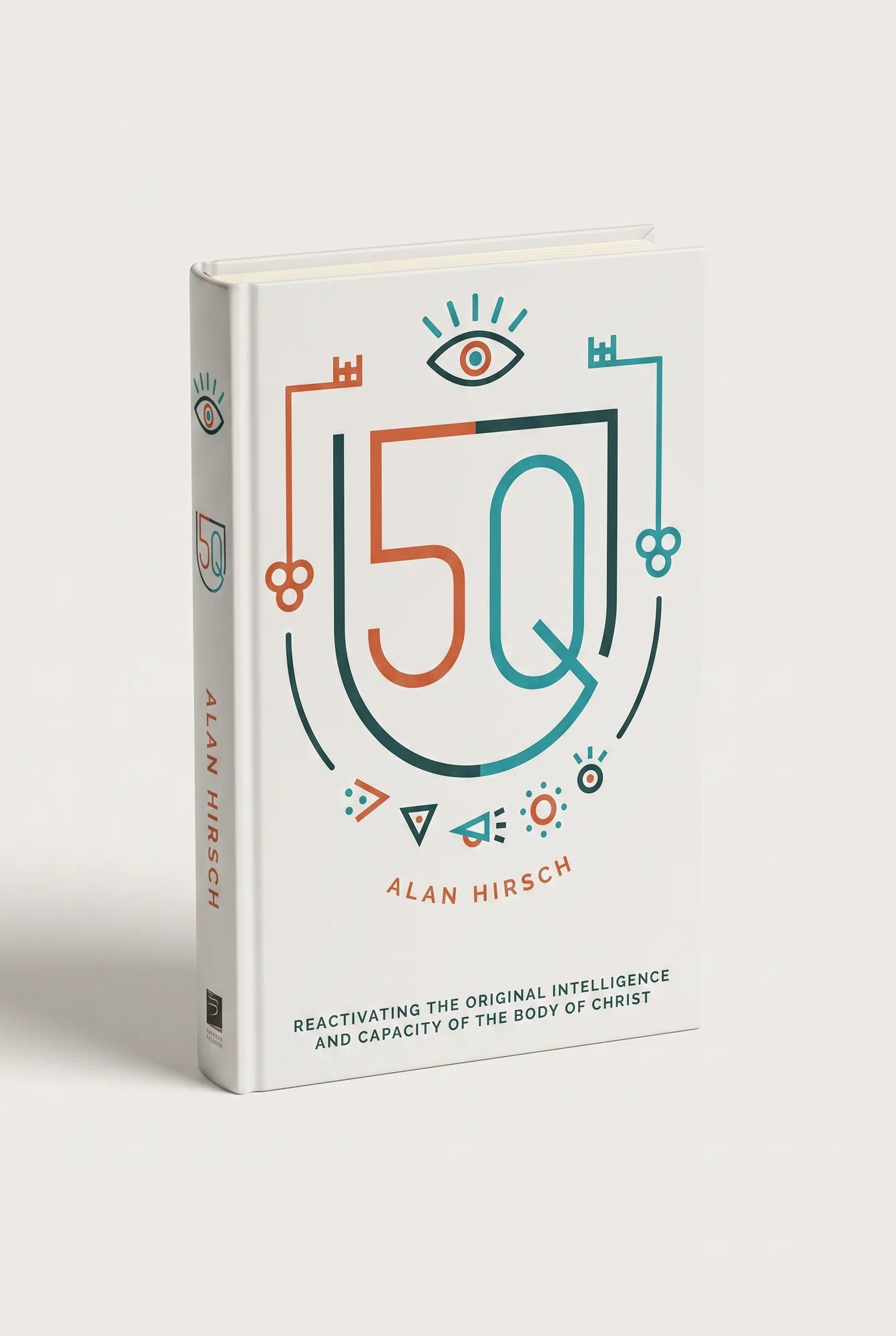
Based on Ephesians 4:11, this book explores the five-fold ministry gifts (Apostle, Prophet, Evangelist, Shepherd, Teacher) and how they work together to create a fully functioning body of Christ. Hirsch provides practical tools for activating these gifts in local church contexts.

This practical handbook provides tools and resources for implementing the principles outlined in 'The Forgotten Ways.' It includes assessment tools, exercises, and step-by-step guides for developing missional churches.
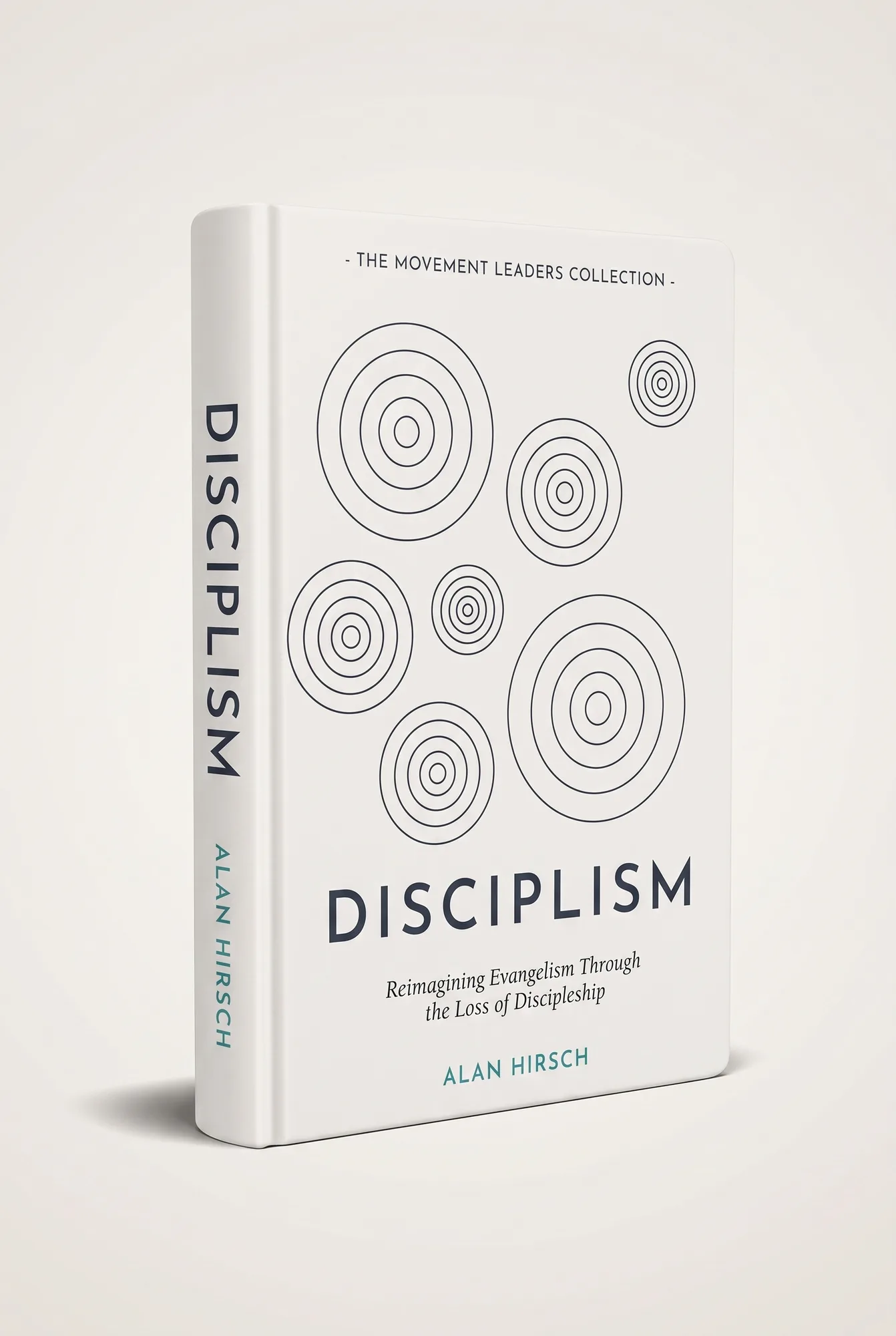
This book explores a new approach to discipleship that integrates mission, community, and spiritual formation. Hirsch proposes 'disciplism' as a holistic framework for following Jesus in contemporary contexts.
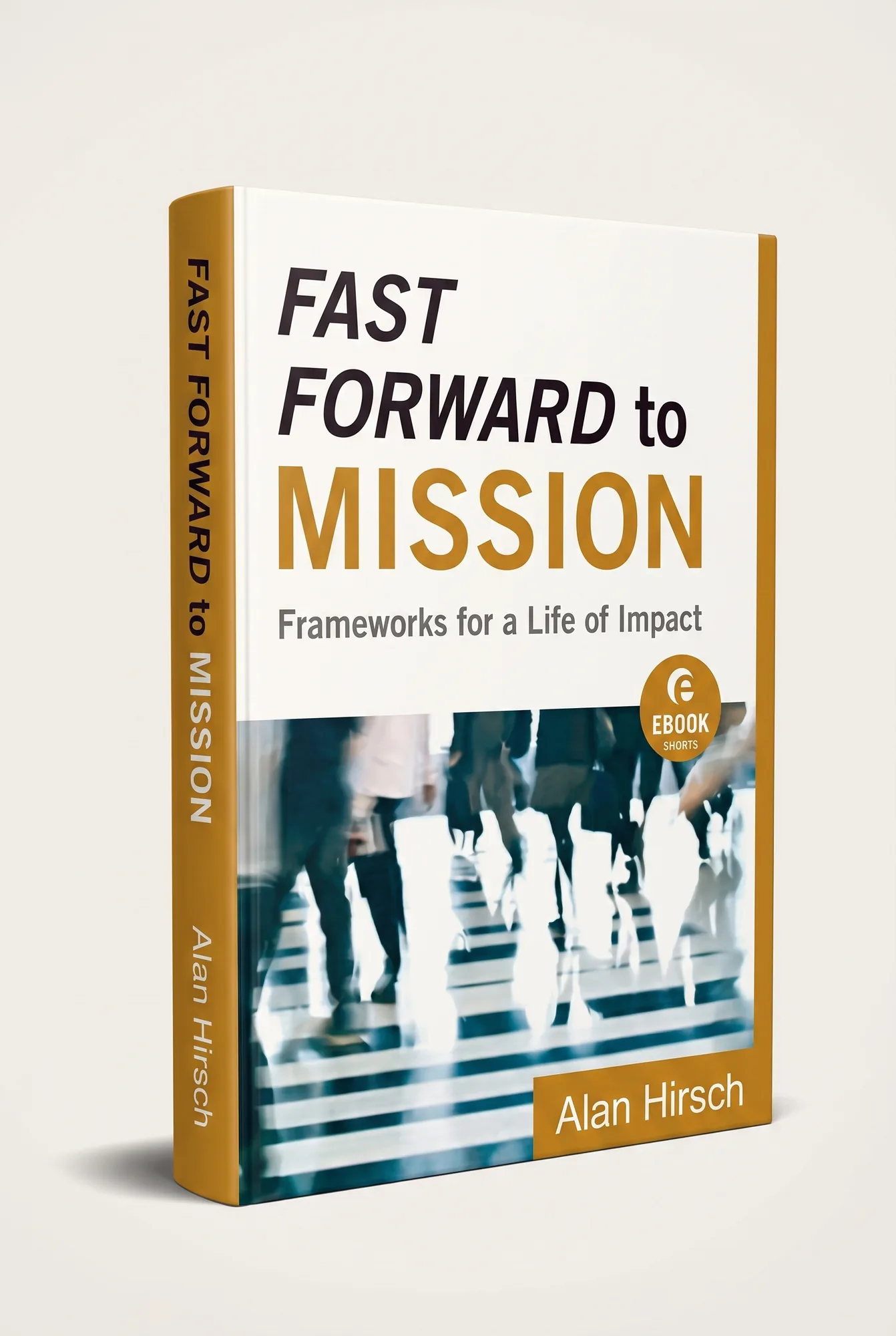
The world has shifted beneath our feet, and the church that waits for it to shift back will wait forever. Fast Forward to Mission calls the people of God to stop managing the decline of Christendom and start embracing the missional opportunity of a post-Christian era — where the Gospel travels not through cultural privilege but through authentic witness, incarnational presence, and apostolic courage. Alan Hirsch invites us to reframe our situation: the dissolution of the established church is not a catastrophe to be mourned but a kairos moment to be seized. Everywhere that cultural Christianity has loosened its grip, missional movements have found room to breathe. The question is not whether the mission field has come to us, but whether we have the courage to engage it. Drawing on the movements of the early church — which grew from a persecuted minority to a world-transforming force without political power or institutional infrastructure — this book charts a path forward for communities ready to move at the pace of the Spirit rather than the speed of institutional strategy.
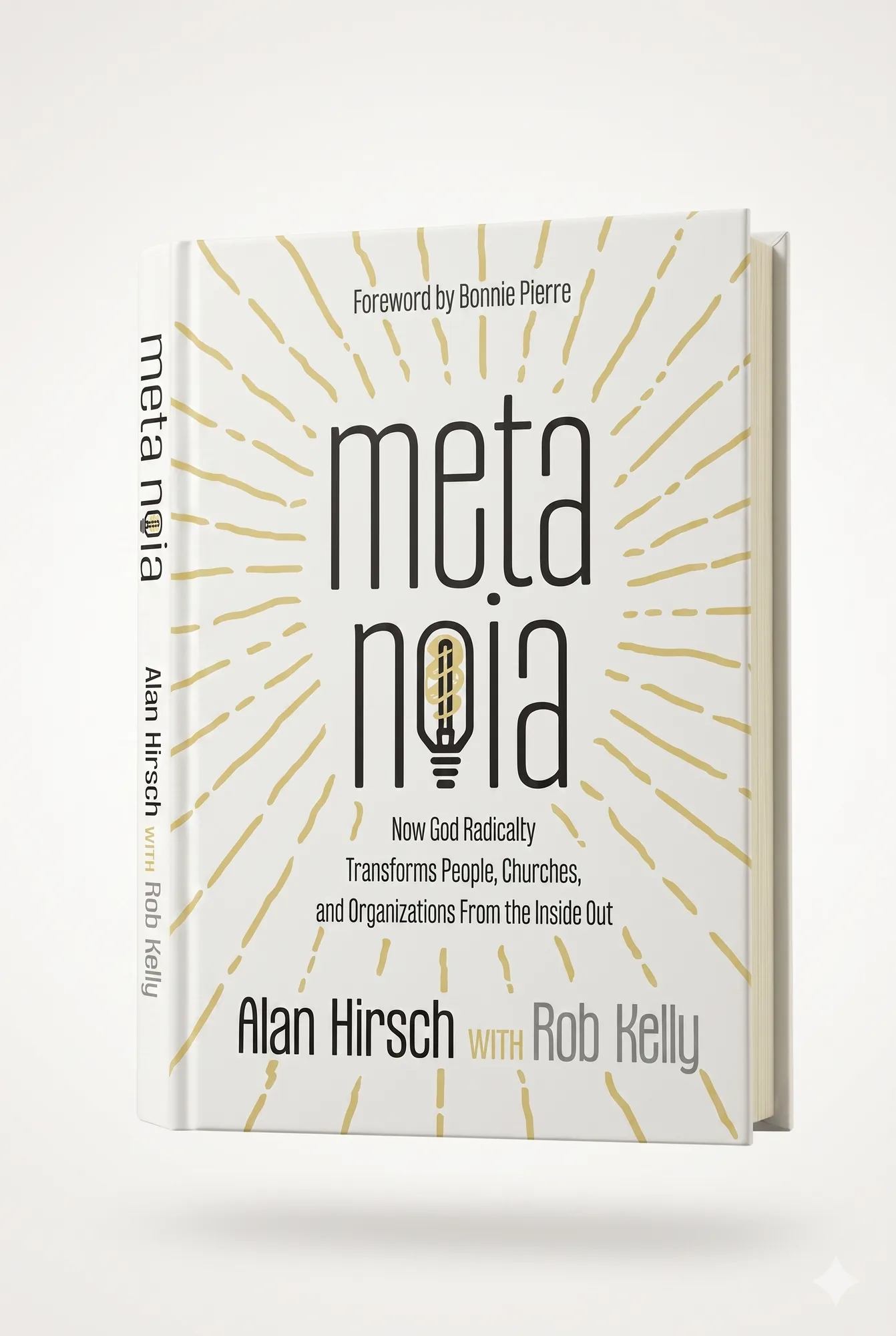
This book explores the concept of metanoia (repentance/transformation) as the key to organizational and personal change. Hirsch provides frameworks for understanding how God transforms individuals, churches, and organizations from the inside out.

Co-authored with Dave Ferguson, this book explores the future of the church through the lens of apostolic ministry. It provides insights into how churches can transition from maintenance to mission-focused organizations.
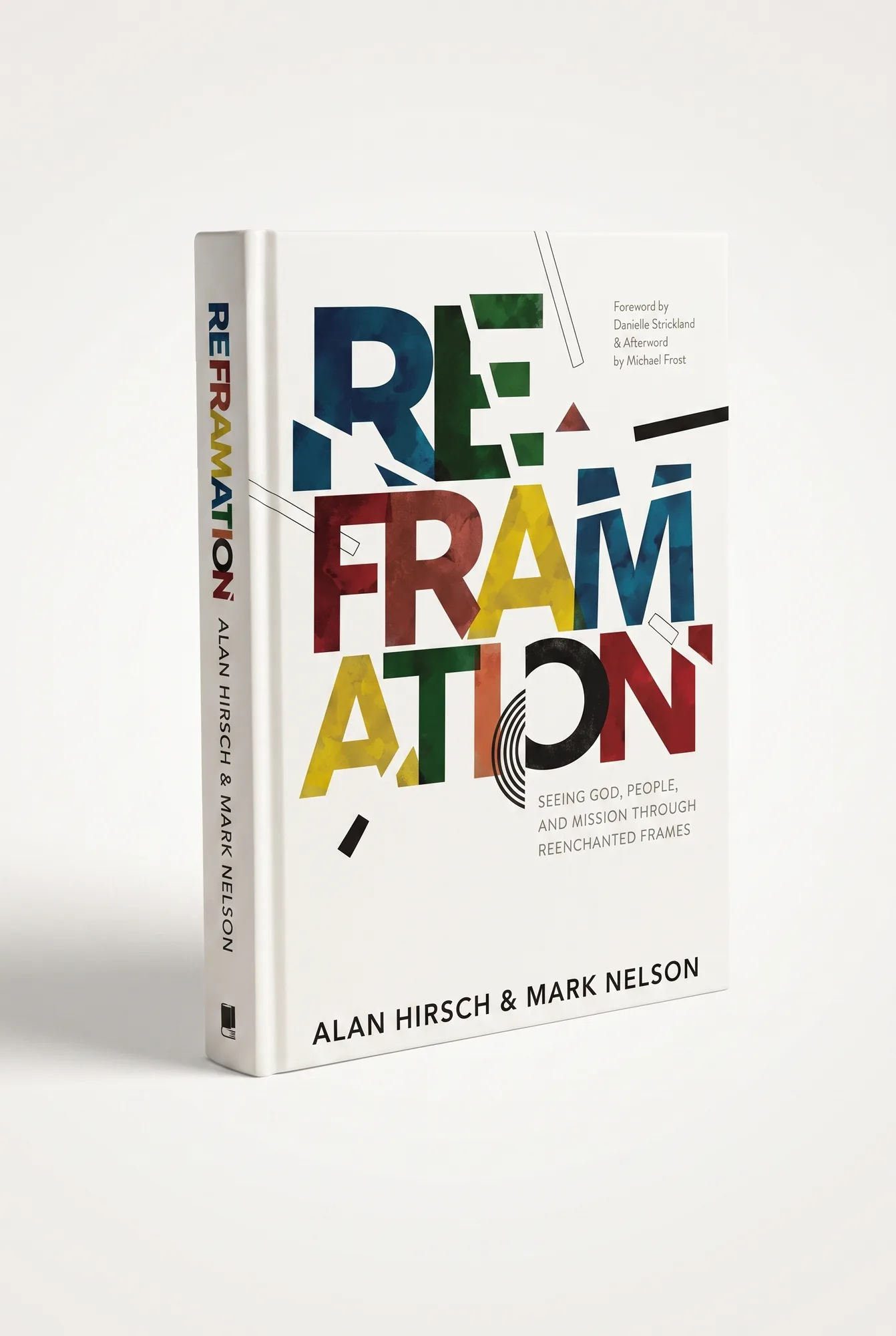
Co-authored with Mark Nelson, this book explores how changing our mental frameworks can transform our understanding of God, people, and mission. It provides tools for re-enchanting our worldview and seeing reality through fresh lenses.
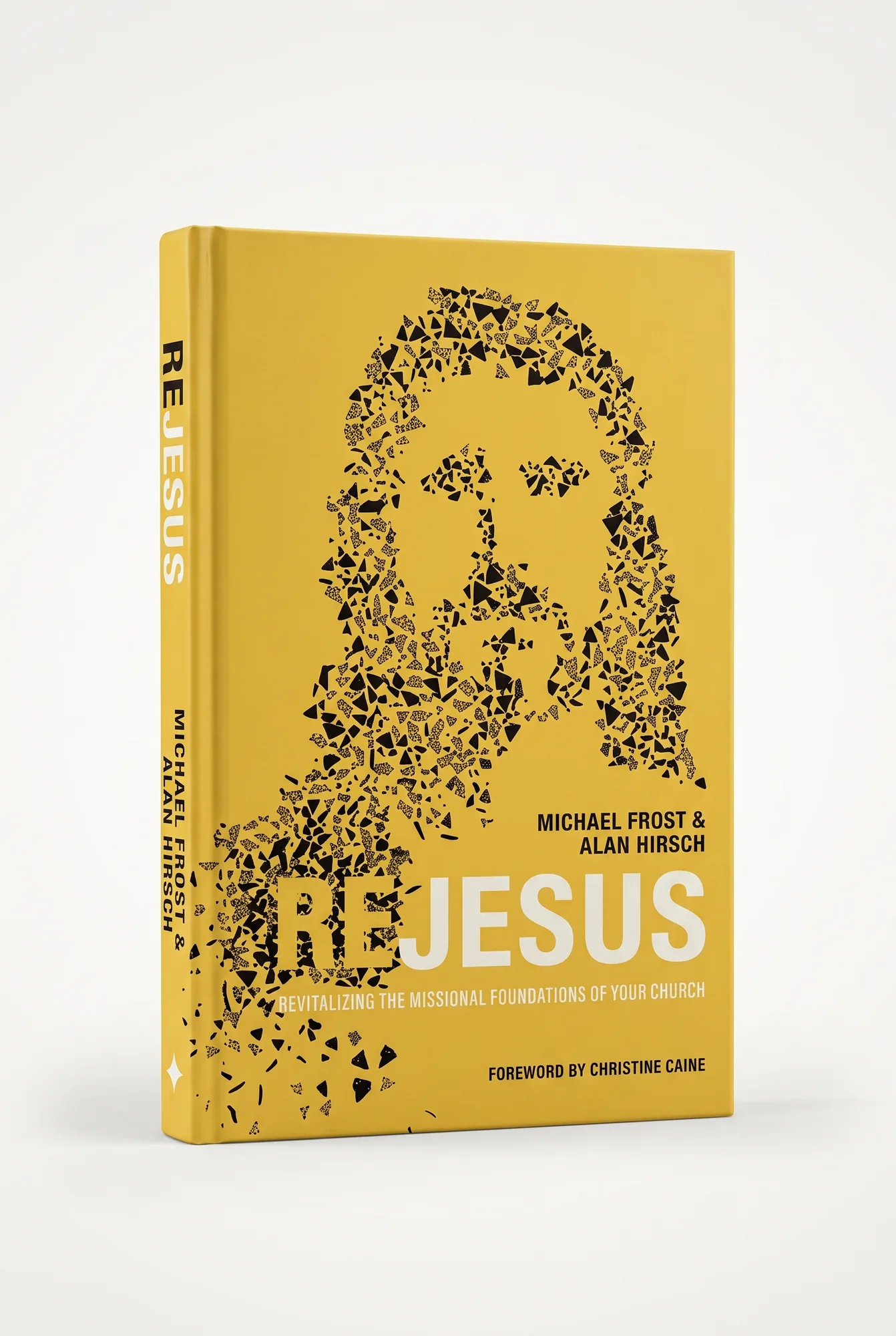
This book reimagines Jesus as a wild, untamed Messiah who challenges conventional religious thinking. Hirsch and Frost explore how rediscovering the authentic Jesus can transform both individual believers and church communities.
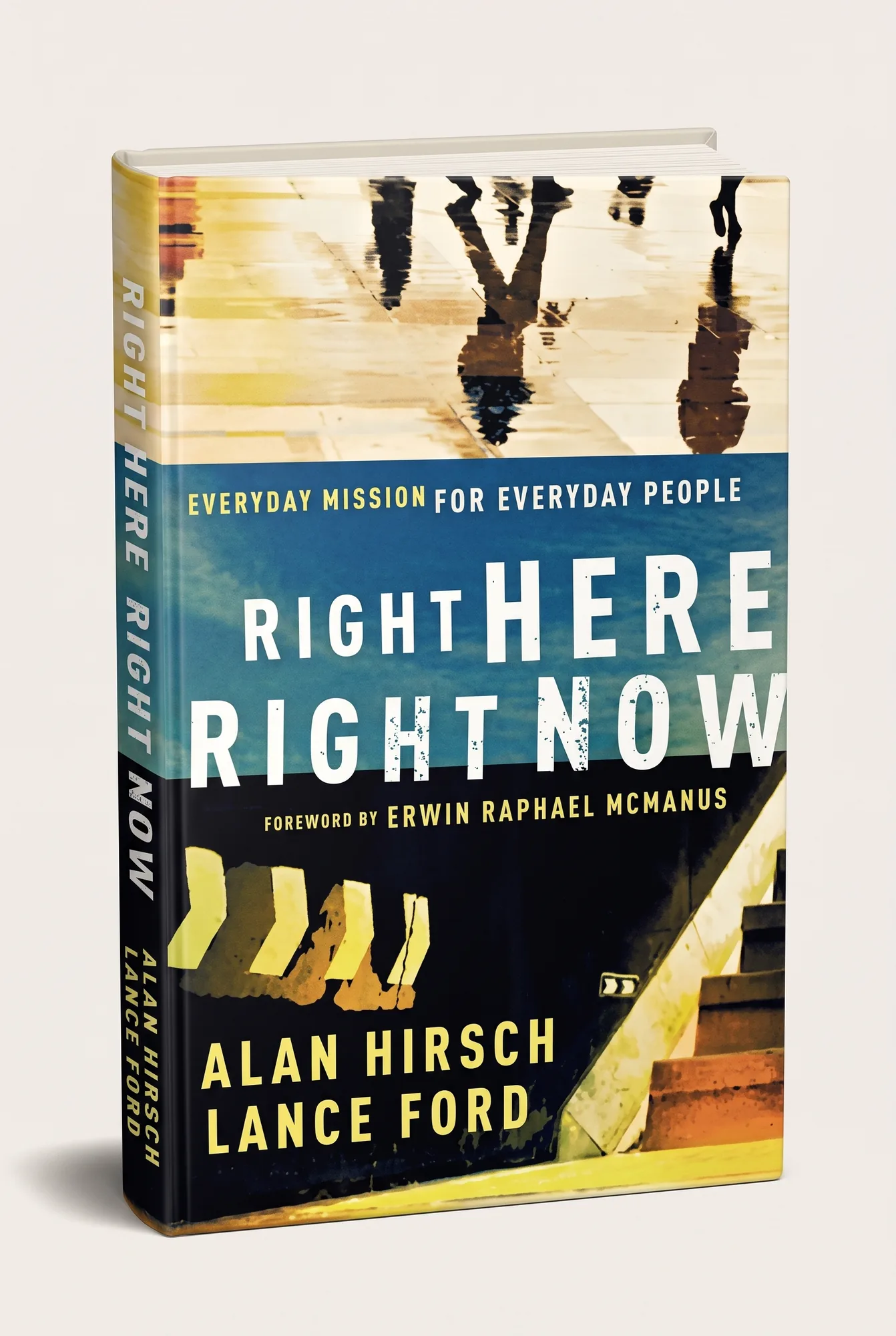
Mission has never been the exclusive property of professionals with special training and overseas postings. From the beginning, the Gospel spread through ordinary people living extraordinary obedience in the places they already called home — their neighborhoods, their workplaces, their tables, their streets. Right Here Right Now, co-authored with Lance Ford, reclaims the profound simplicity of this ancient pattern: that every disciple of Jesus is a missionary, and every ordinary place is a mission field. The incarnation itself — God becoming flesh and moving into the neighborhood — is the pattern and the mandate for how we live and witness. This book is not primarily about programs or strategies. It is about a fundamental shift in how we understand ourselves as the people of God — sent people who live and love and work and rest with the presence of Jesus transforming everything. The Kingdom of God is always, first and finally, right here, right now, in the very next conversation you have.
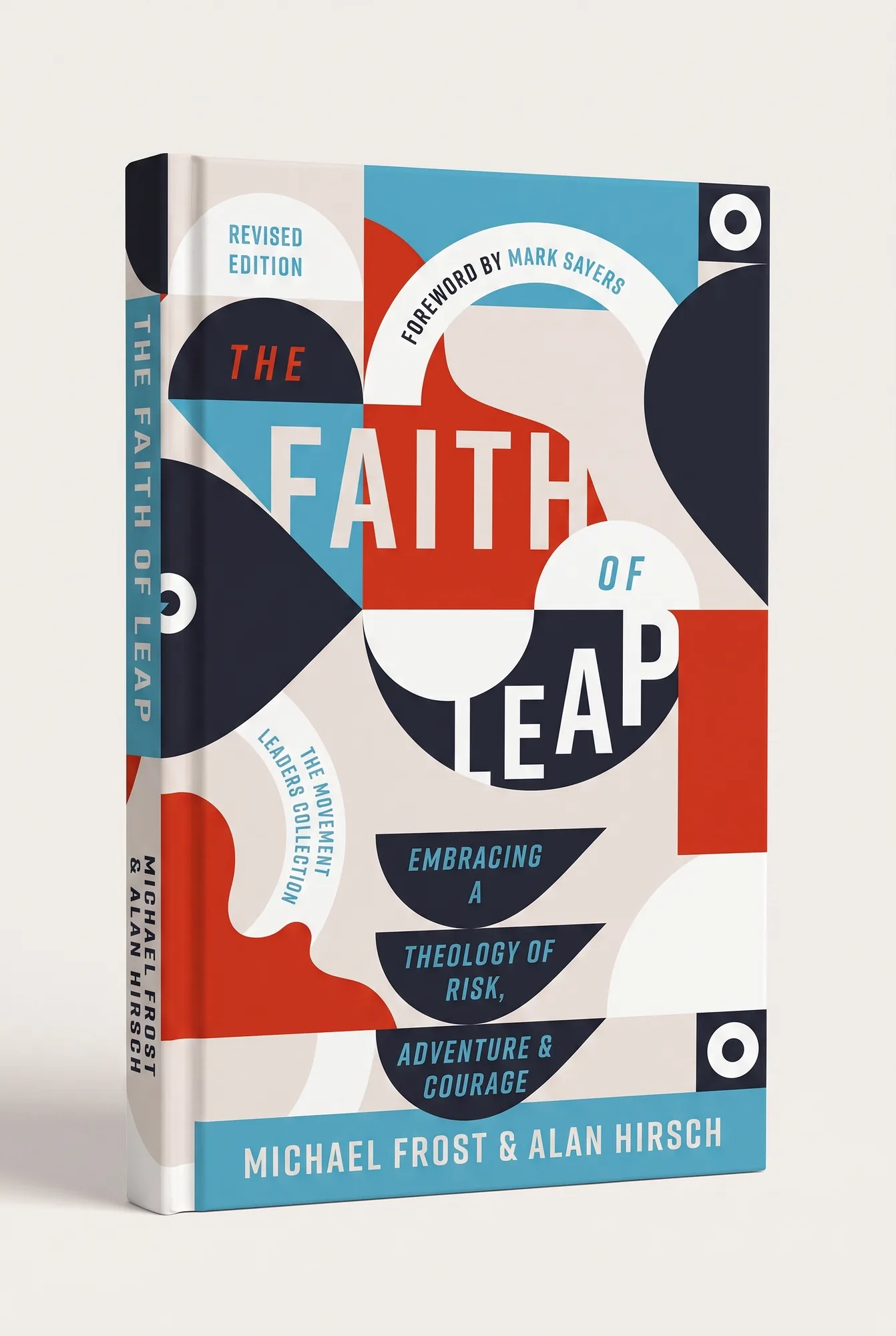
This book explores the relationship between faith and risk-taking in Christian life and ministry. Hirsch and Frost argue that authentic faith requires courage, adventure, and a willingness to step into the unknown.

This groundbreaking book explores the DNA of apostolic movements and how they can be reactivated in contemporary church contexts. Hirsch examines the six elements of apostolic genius and provides practical frameworks for missional transformation.
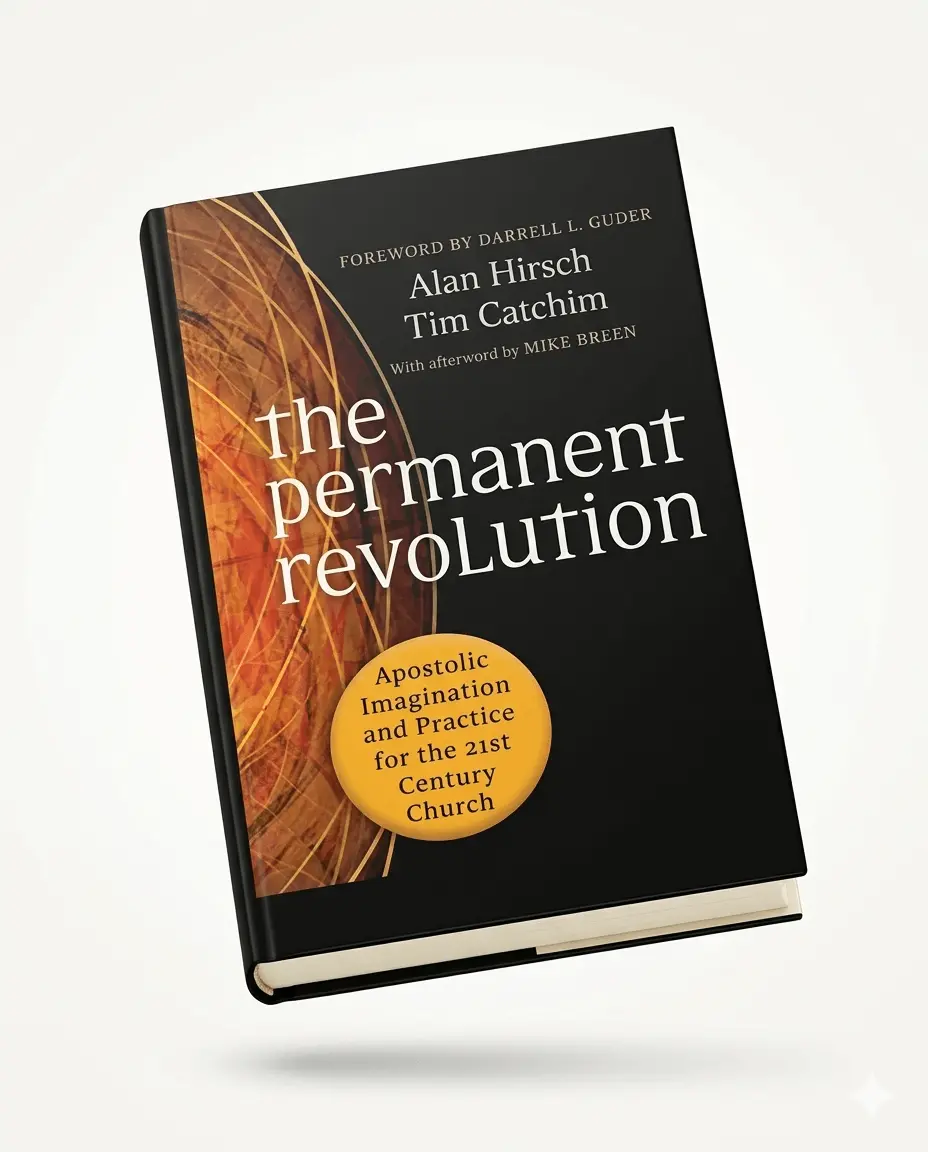
The Permanent Revolution is a work of theological re-imagination and re-construction that draws from biblical studies, theology, organizational theory, leadership studies, and key social sciences. The book elaborates on the apostolic role rooted in the five-fold ministry from Ephesians 4 (apostles, prophets, evangelists, shepherds, and teachers), and its significance for the missional movement. It explores how the apostolic ministry facilitates ongoing renewal in the life of the church and focuses on leadership in relation to missional innovation and entrepreneurship. The authors examine the nature of organization as reframed through the lens of apostolic ministry.
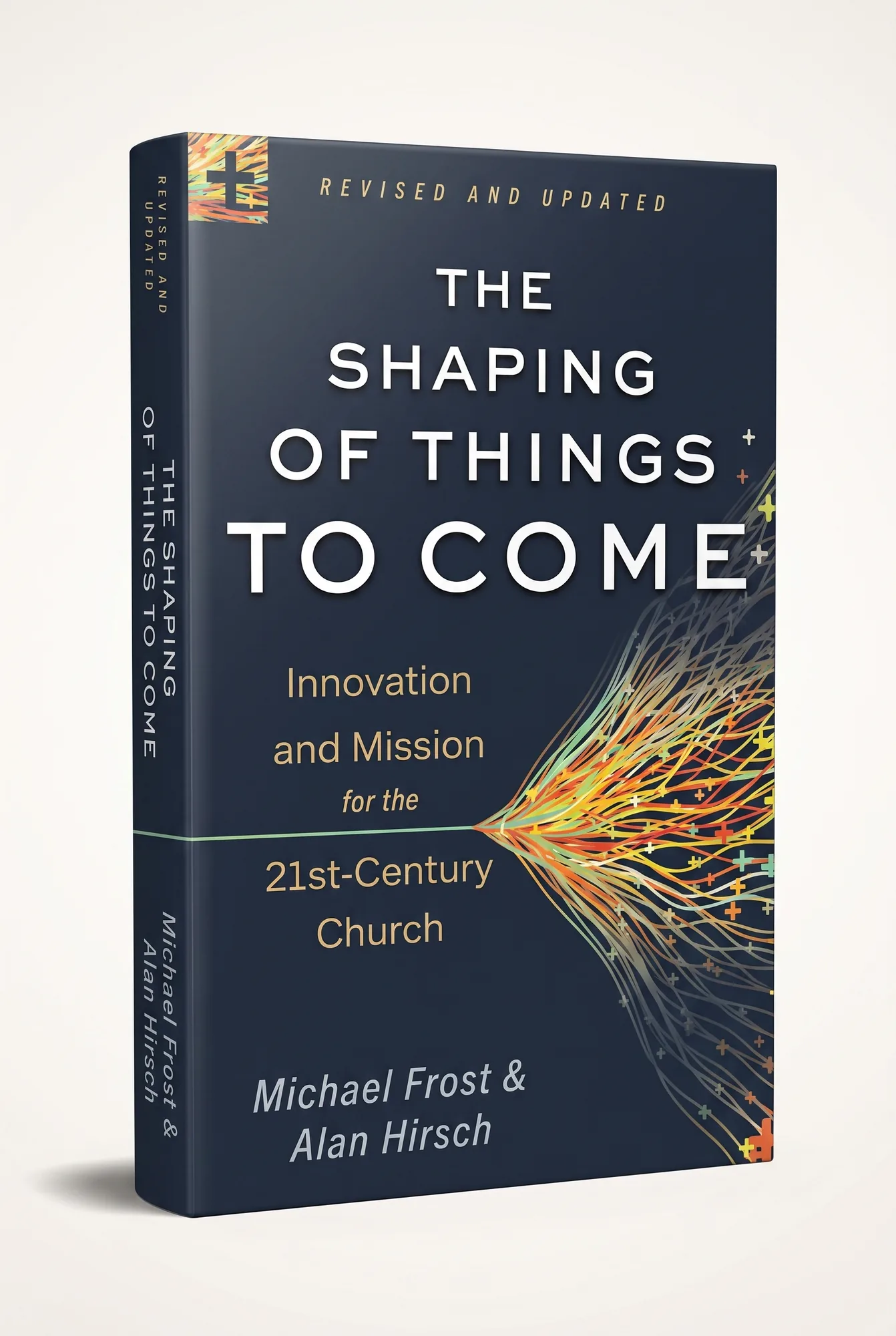
The Shaping of Things to Come explores why the church needs to recalibrate itself, rebuilding itself from the roots up. Michael Frost and Alan Hirsch build their case around real-life stories gathered from emergent church projects from the United States, Australia, New Zealand, Canada, and England. These spirited experiments of Gospel community serve to point out just how varied a genuinely incarnational approach can, and needs to, become. They present nodes of missional learning for the established church as it seeks to orientate itself to the unique challenges of the twenty-first century.
Co-authored by Alan Hirsch, Lance Ford, and Rob Wegner, The Starfish and the Spirit applies decentralized, starfish leadership dynamics to church and missional movements, contrasting empowering starfish cultures with controlling spider structures.

Co-authored with Debra Hirsch, this book challenges conventional approaches to discipleship and proposes a more missional, holistic form of following Jesus. It explores how discipleship can be integrated into everyday life and mission.

Formation course for moving from managed Christianity to deep repentance, surrender, and Spirit-empowered obedience.

This 8-week course recovers an untamed, missional form of discipleship. Participants explore Jesus-shaped formation, everyday mission, and disciple-making movements that transform lives and communities.

Formation course for learning to think and act like a movement in real cultural weather systems.

Every Jesus community carries within it the DNA of apostolic genius — the same Spirit-charged movement potential that drove the early church from a handful of gathered followers to a world-transforming movement of twenty million within two centuries. The Forgotten Ways is an eight-week journey into that latent inheritance. Together we trace the six elements of movement DNA through Scripture, through the persecuted church of China, through the Methodist revival, and through communities Alan has walked alongside for over thirty years. You will not learn about apostolic genius from a distance. You will learn to see it already alive in your community, identify where it has gone dormant, and become the kind of catalyst who helps it breathe and multiply again. This is about recovering what was never truly lost — only forgotten — and letting the forgotten ways become the living ways of your community once more.

Formation course for restoring our capacity to see God, the world, and the Church truthfully again.

Podcast by Jeff Reed

Podcast by Starfish Initiatives

Podcast by Joshua Johnson
Podcast by Steve Pike

Podcast by Canopy International
Podcast by Cynthia Anderson

Podcast by Venture 12

Podcast by Fresh Expressions US